The Fallen Rowan
Habitats change and few things in nature are static. Familiar places and trees can be uprooted in a second, transforming a habitat that until then we’d taken for granted.
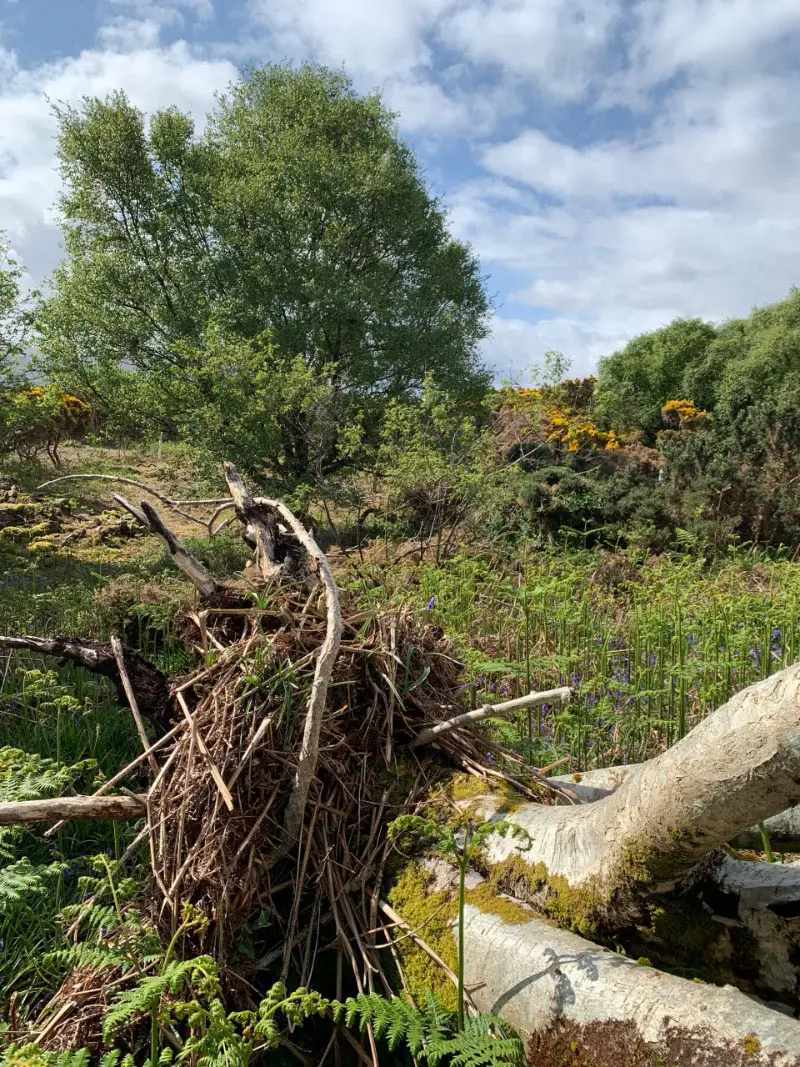
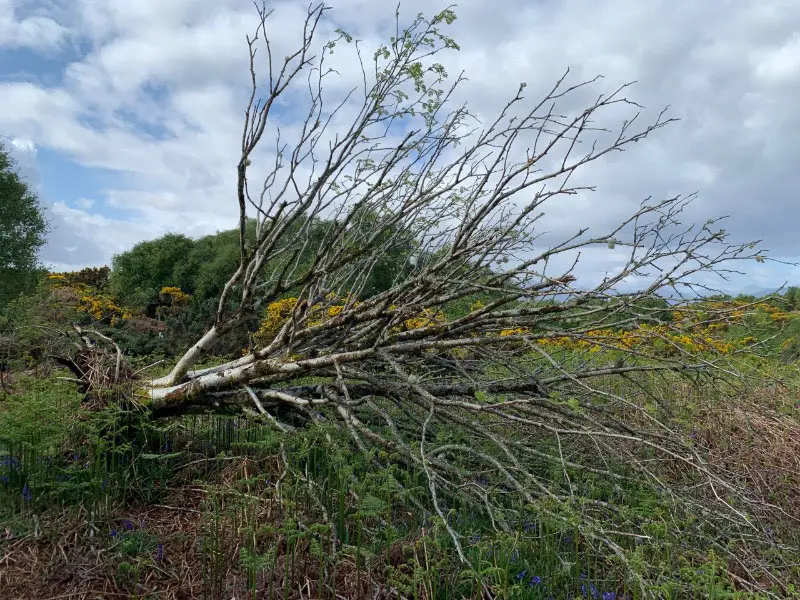
Case in point: the fallen rowan near the middle car park. This rowan had a classic shape, growing by itself, unshaded, with a full, rounded crown and a balanced appearance. It looked like it might go on forever. It didn’t, of course — nothing does. And this winter, the tree fell. But its time hasn’t yet passed. A fallen tree, either living or dead, is still valuable and the next part of its life has begun.
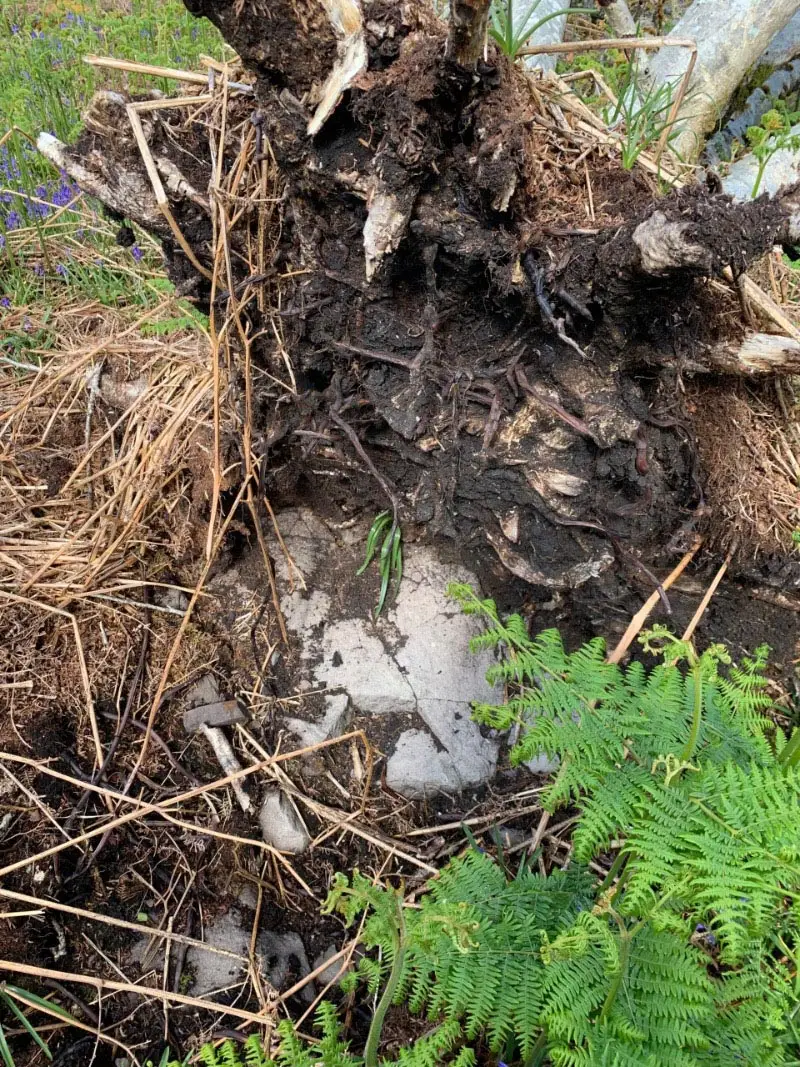
From this familiar tree, we know the back story: tree grew, tree fell. But there’s more. The root plate has been pulled up, revealing that this rowan was growing on very shallow soil, right above rock. The roots clung valiantly, but there wasn’t much to cling to.
This is true for much of the Plock. There’s a thin layer of soil or peat over stable rock, yet the richness of the Plock shows what can grow in the thinnest of opportunities.
Deciduous trees have a wonderful capacity to keep going. They’ve evolved alongside beavers, and windthrow is not unique to monocultures of forestry. Broadleaves can regenerate as long as there’s a bit of living wood connected to a living root. That’s what’s happened here. The rowan can continue creating a tangle and a habitat for the most secretive of creatures.
Looking at the rowan now in summer, it still looks raw. The fall was a shock for the tree — some branches are dead, but the living ones are growing. Next year, more growth is expected as this first year of recovery passes.
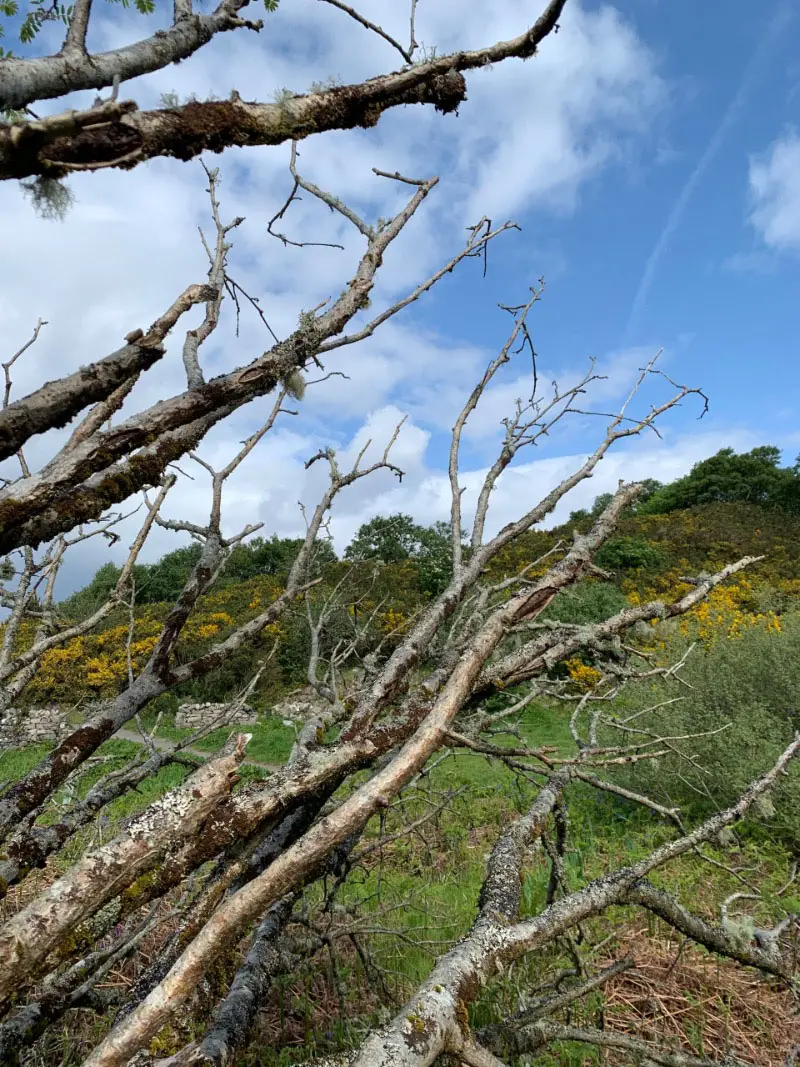
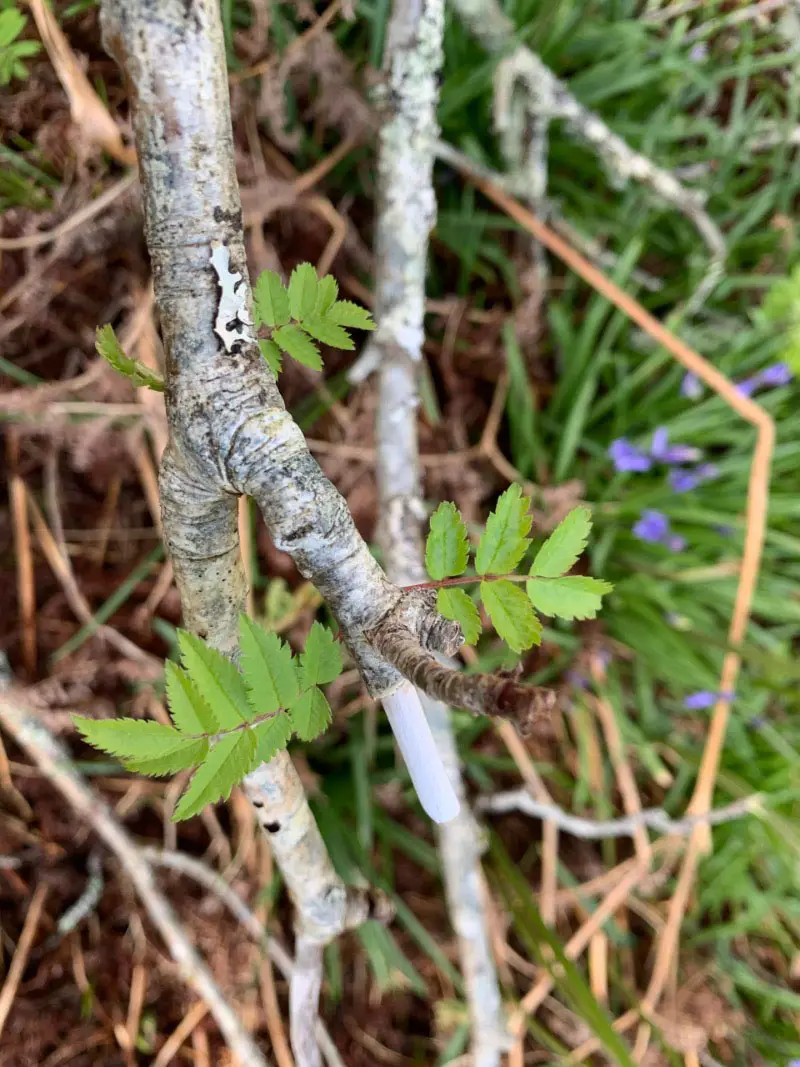
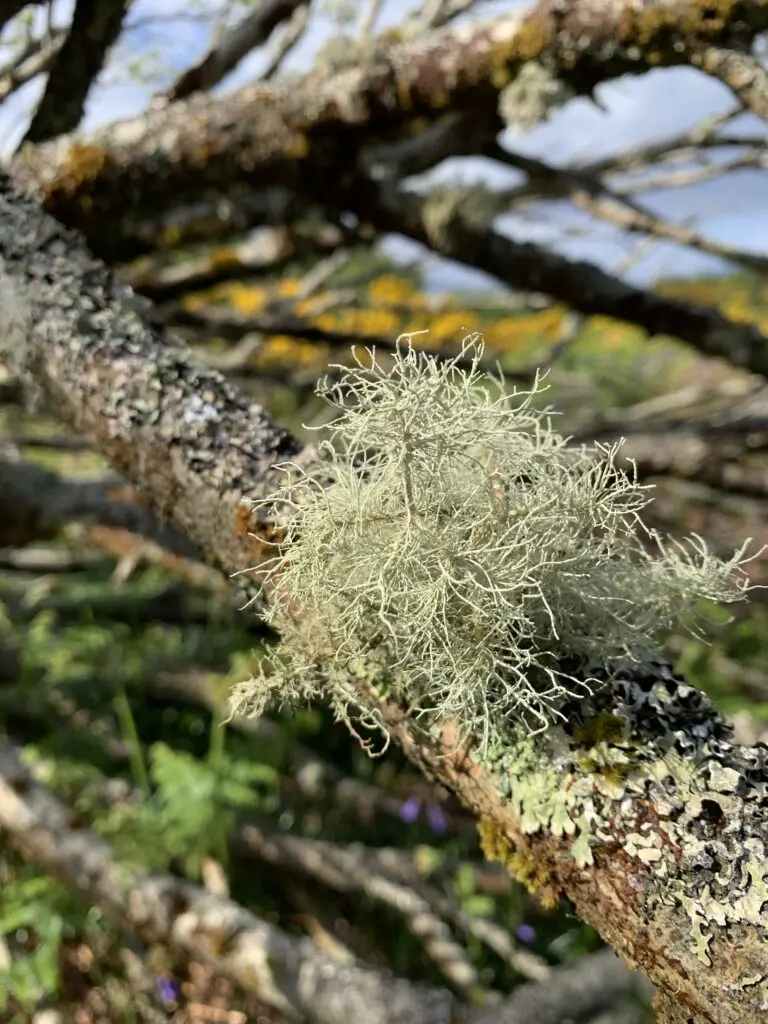
Take a close look at the tree next time you pass. It isn’t just a tree — it has lichens (crustose, fruticose, foliose) on its branches; insects have made its crevices home; mosses grow wherever moisture collects. This rowan is a hotspot for birds seeking food or shelter.
Dead wood is not truly dead; death is an opportunity for nutrients to pass to other organisms. Fungi decompose the wood, and saproxylic invertebrates — about 2,000 UK species — rely on dead wood for part of their life cycle. That’s why the tree hasn’t been tidied up: chaos is opportunity.
Opportunity also exists for newcomers. Exposed soil is a desirable niche in any woodland, soon to be covered in seedlings from seeds finding reduced competition. Many trees grow from another’s exposed root plate, and who knows what will happen here — we’ll be watching.